
What project owners need to know.
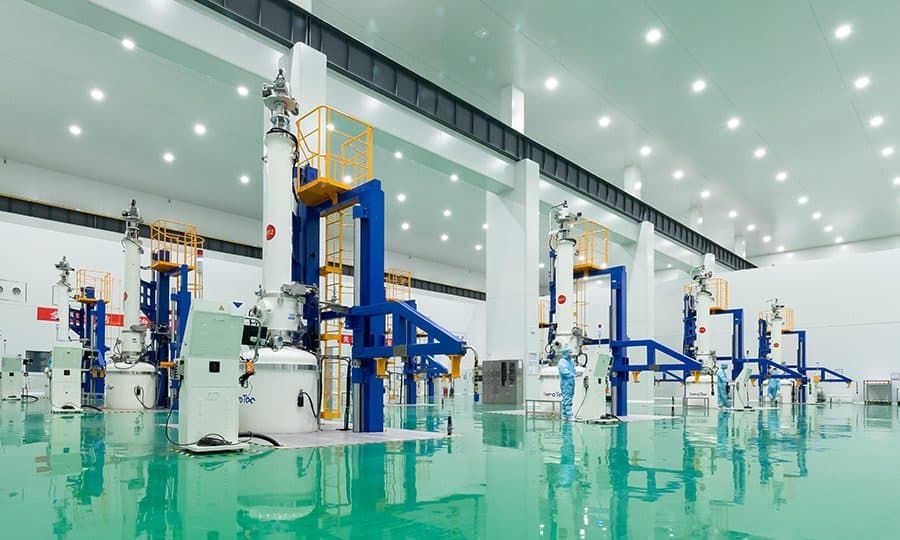
A pilot batch is the first run of a new ingot line to show that the equipment, process and controls can grow a usable crystal. It shows the line works. It does not show commercial capacity, consistent yield or customer qualification, which come later through repeated runs, wafer trials and sampling with buyers. In April 2026 the JRST-led Silicon Ingot Technology unit in Nagpur reported completing its first pilot batch.
What a pilot batch is
When a new ingot line is commissioned, the first runs are not about volume. They test whether the furnace, hot zone, controls, utilities and operating procedures work together to grow a crystal that meets basic specifications. That first run, or short series of runs, is the pilot batch.
It is a technical checkpoint. A successful pilot shows that the line can make an ingot; it is not yet evidence of how many good ingots the line can make, week after week.
What gets measured
Pilot ingots are cut and tested, not sold. The checks look at whether the crystal is single-crystal along its length and whether its electrical and chemical properties fall in the target window.
- Crystal structure: dislocation-free growth along the body
- Diameter control along the length
- Resistivity and its spread from seed end to tail end
- Oxygen and carbon content
- Minority-carrier lifetime
- Visible defects after cutting and etching
Pilot, qualification and commercial ramp are three different stages
After the pilot, a line moves to process stabilisation: repeating runs, tuning recipes and bringing yield and consistency up. Qualification follows, when customers test wafers from the line in their own cell processes and approve the supplier. Only then does commercial ramp begin, with volumes growing as more pullers come online and run reliably.
Each stage can take months, and the timing depends on the line, the product and the customer. That is one reason India's announced ingot-wafer capacity is far ahead of operating capacity: Mercom reported about 2 GW operating in September 2026, against a much larger announced pipeline.
- Pilot: the line can grow a usable crystal
- Stabilisation: it can do so repeatedly, at target yield
- Qualification: customers approve wafers in their own process
- Commercial ramp: contracted volume, delivered on schedule
Customer sampling and wafer-line trials
For an ingot supplier, the customer that matters is usually the wafer or cell maker. Qualification typically means slicing sample ingots into wafers, running them through the buyer's cell line, and comparing efficiency and defect rates against the buyer's current wafers. Results and approvals are specific to that customer and that cell technology, whether TOPCon, PERC or something else.
The Nagpur example
A media release carried by The Tribune on 28 April 2026 reported that the JRST Technology-led Silicon Ingot Technology unit had completed its first pilot batch in Nagpur under its CTO, describing it as a step towards Maharashtra's first silicon-ingot manufacturing unit. The release said the batch validated the engineering of the ingot lines from furnace design to process control, and that the facility is designed to serve solar and semiconductor applications.
Read against the stages above, that milestone is a pilot: proof that the line works. The stages that follow are stabilisation, customer qualification and ramp, and we would encourage any buyer to ask for the evidence behind each one, from us as from anyone else.
What buyers should ask any ingot supplier
Milestone announcements are useful signals, but they are not purchase evidence. These questions turn an announcement into something a buyer can check.
- Which stage has the line reached: pilot, stabilisation, qualified or commercial?
- How many runs have been completed on the current recipe?
- Test reports for resistivity, oxygen, carbon and lifetime per ingot
- Has any customer qualified wafers from this line, for which cell technology?
- Operating capacity today, and the dated plan for more
- Crucible, polysilicon and hot-zone supply behind that plan
How JRST supports this requirement
JRST led the turnkey setup of the Silicon Ingot Technology line in Nagpur, Maharashtra's first silicon-ingot unit, and supports other ingot projects through commissioning and qualification planning. This guide explains general industry practice and public reporting as of the date shown. Milestones and capacity figures should be validated against test data and current disclosures before making a procurement decision.
Discuss your requirement
Mohammed Saif Zaveri connects JRST's industrial content to execution conversations.
As Co-Founder and designated partner of JRST Technology LLP, Mohammed Saif Zaveri works across industrial growth, strategic partnerships, client conversations, equipment strategy, and project pathways for silicon, solar, semiconductor, and advanced-manufacturing opportunities.
This knowledge page is part of JRST's public industrial knowledge base, designed to help buyers move from search terms and early research toward a structured technical-commercial discussion.
View Mohammed Saif Zaveri's profileConnect on LinkedInFrequently asked questions
What is a pilot batch in ingot manufacturing?
It is the first run, or short series of runs, on a newly commissioned ingot line, used to confirm that the equipment and process can grow a crystal that meets basic specifications. It comes before process stabilisation, customer qualification and commercial supply.
Is a pilot batch the same as commercial capacity?
No. A pilot shows the line works. Commercial capacity needs repeated runs at target yield, customer qualification and enough pullers running reliably to deliver contracted volumes.
How long does it take to go from pilot to commercial supply?
It varies with the line, the product and the customer's qualification process. We do not publish a generic timeline; ask a supplier for its own dated plan and the evidence for each stage.
What did the Nagpur pilot batch involve?
According to a media release carried by The Tribune in April 2026, the JRST Technology-led Silicon Ingot Technology unit completed its first pilot batch in Nagpur, which the company said validated its ingot-line engineering from furnace design to process control.
Primary sources and further reading
Last reviewed 2026-10-16. Technical scope, policy eligibility, availability, and commercial terms should be independently confirmed for each project.